
The Seychelles Home Care Agency (SHCA) recently concluded two vital training sessions aimed at upgrading the skills of caregivers during the month of October.
Mastering Basic Health Monitoring for Carers -English River
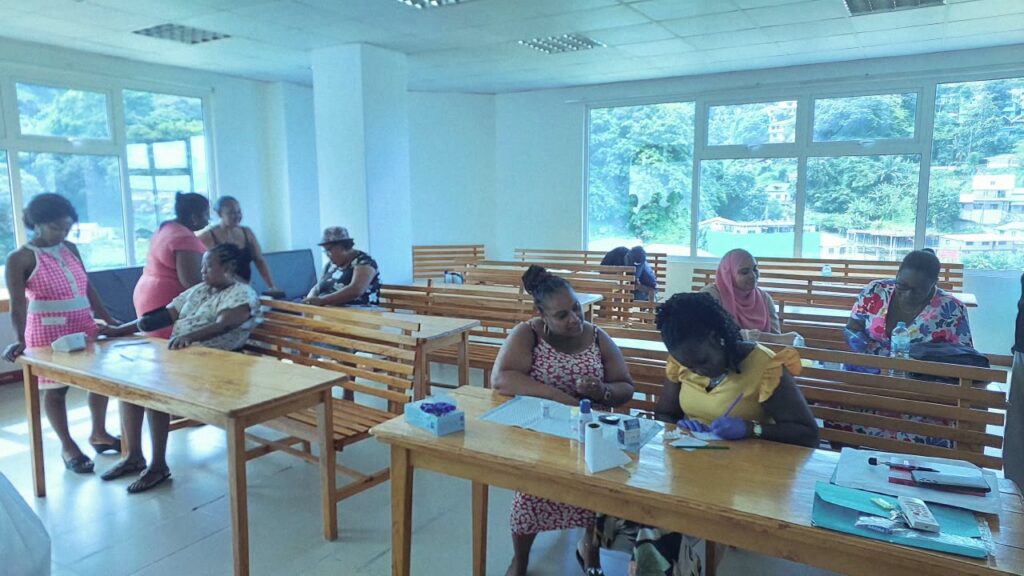
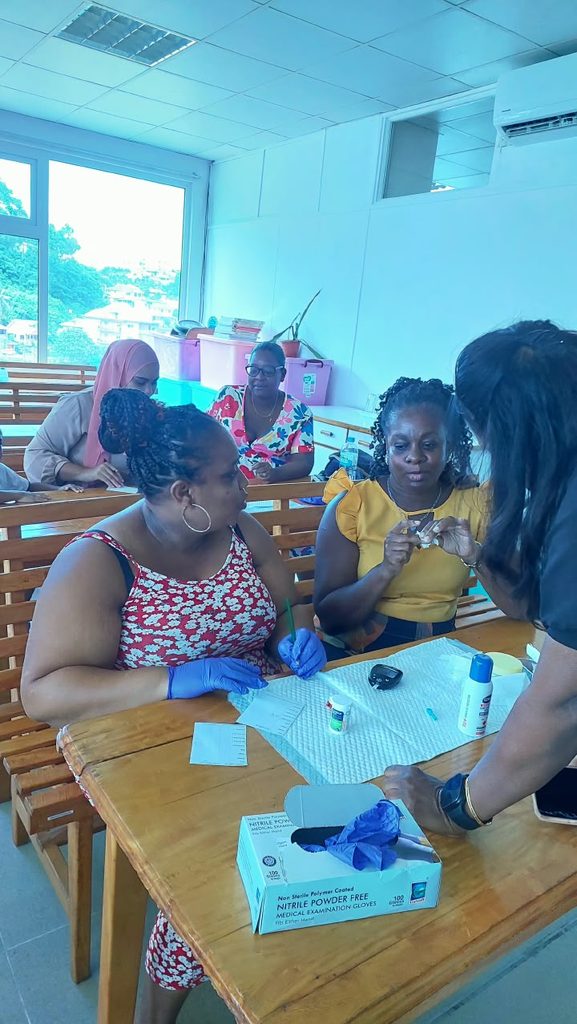
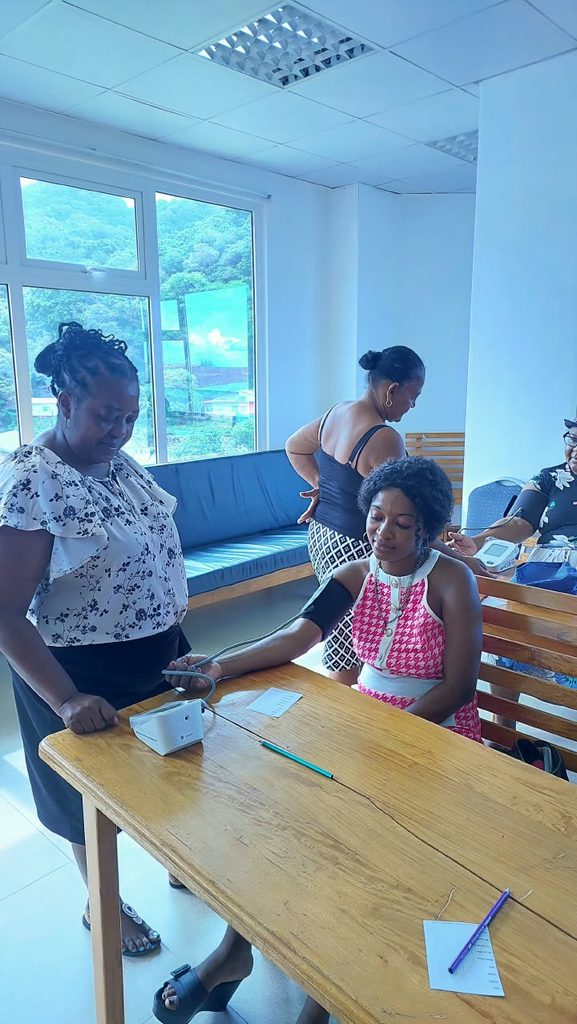
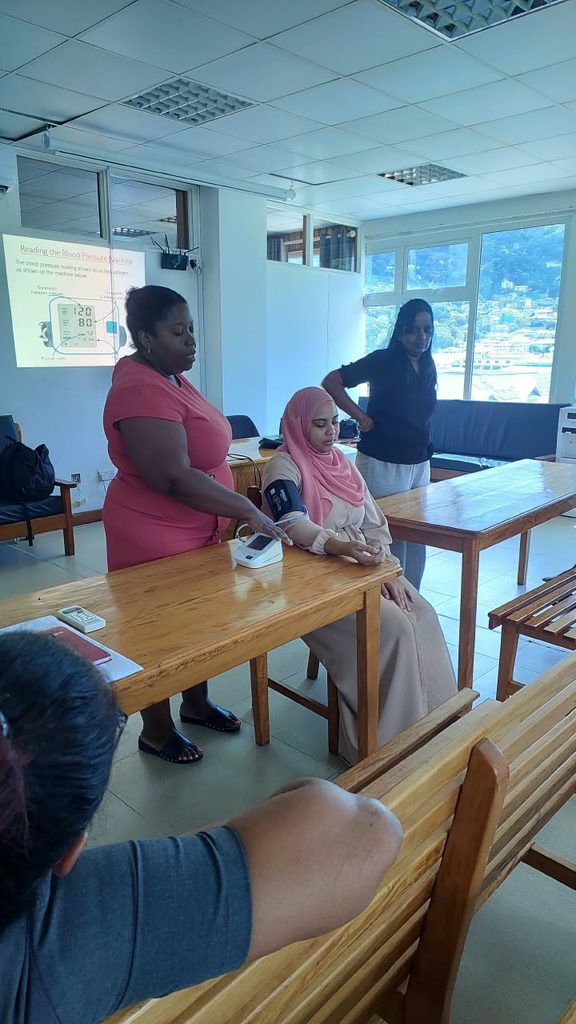
The training initiative held on 8th October 2026, was a specialized session on monitoring of Blood Pressure and also blood glucose level of diabetics, held at the ASP Board Room (Ex-Sacos Tower), the workshop specifically targeted caregivers residing in the English River District, facilitated by professionals from the Ministry of Health.
The primary objective of this session was to equip participants with the essential practical knowledge and clinical skills required to accurately monitor blood pressure and blood glucose levels at home. By mastering these basic diagnostic tools, caregivers are now better prepared to track vital signs, recognize early warning signs of health deterioration, and manage chronic conditions like hypertension and diabetes effectively.
Advanced Patient Care Training in Praslin
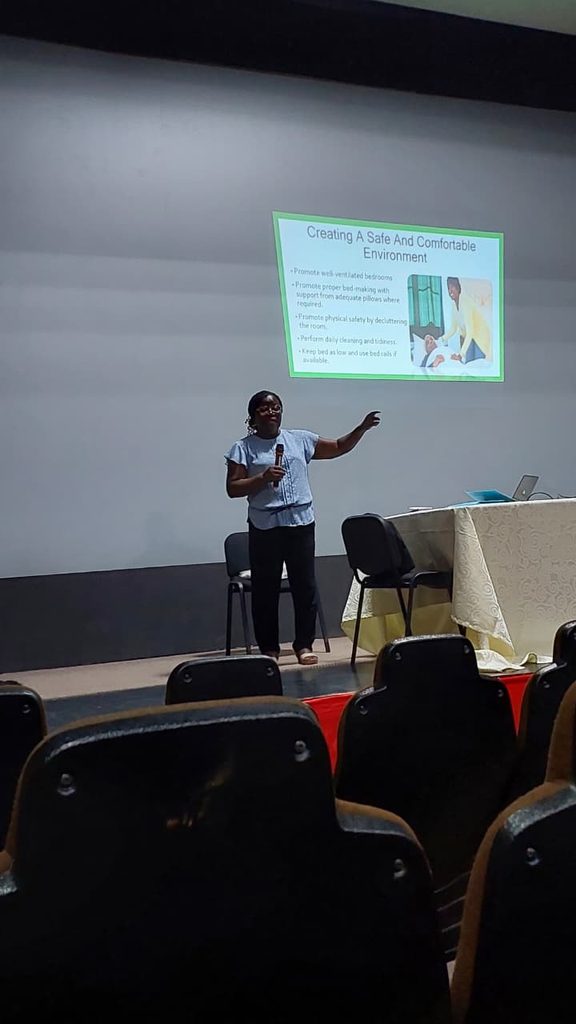
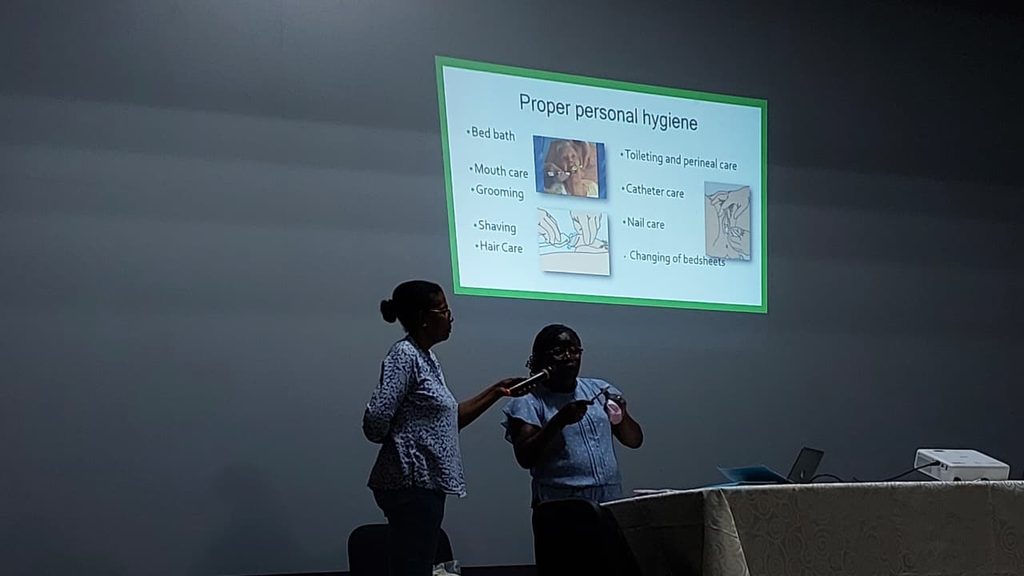
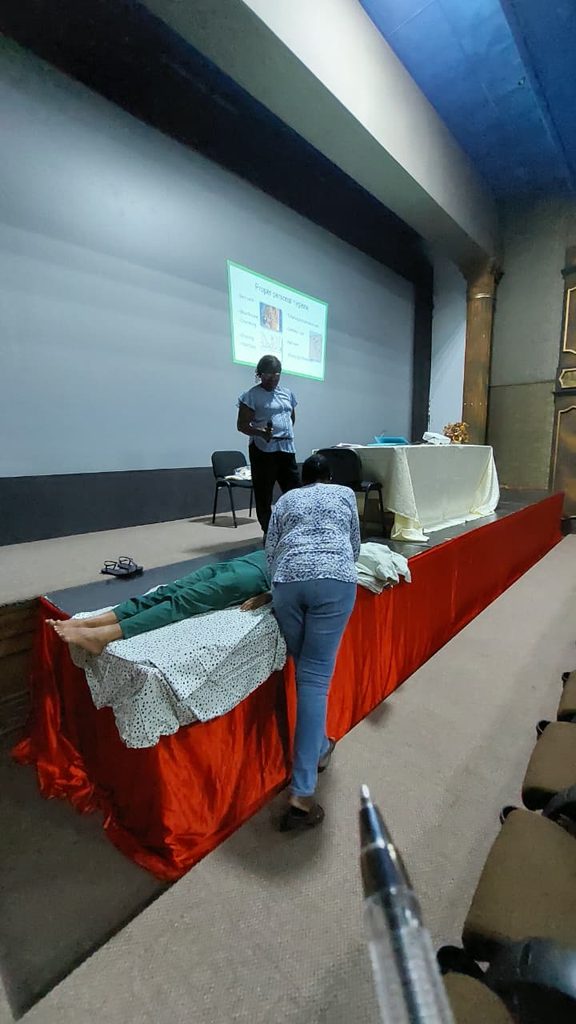
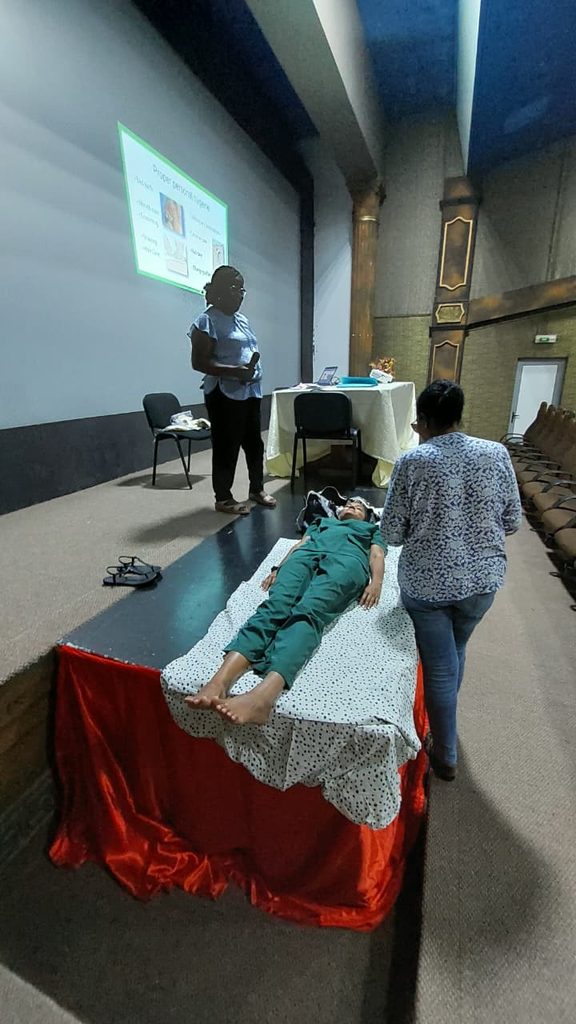
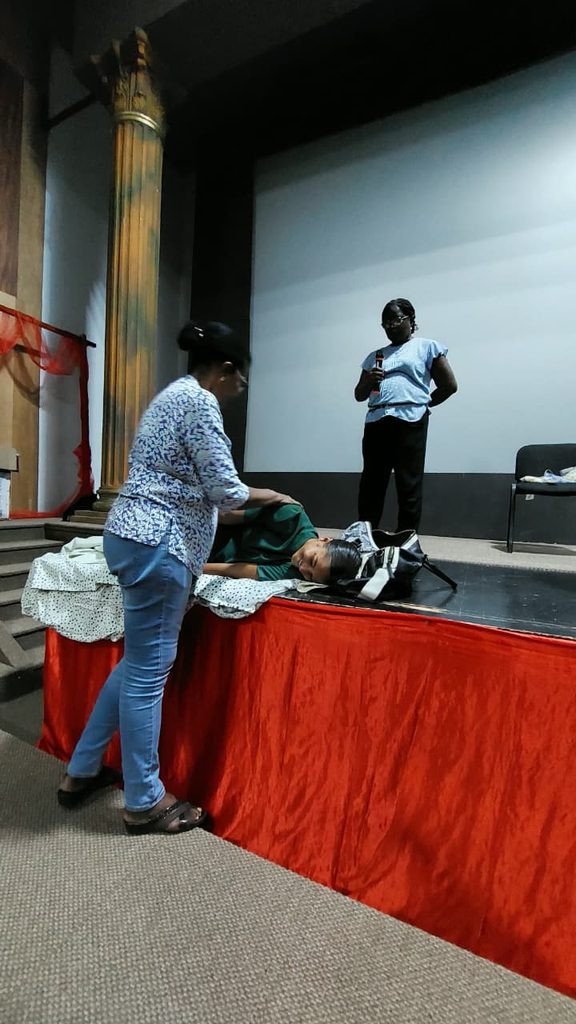
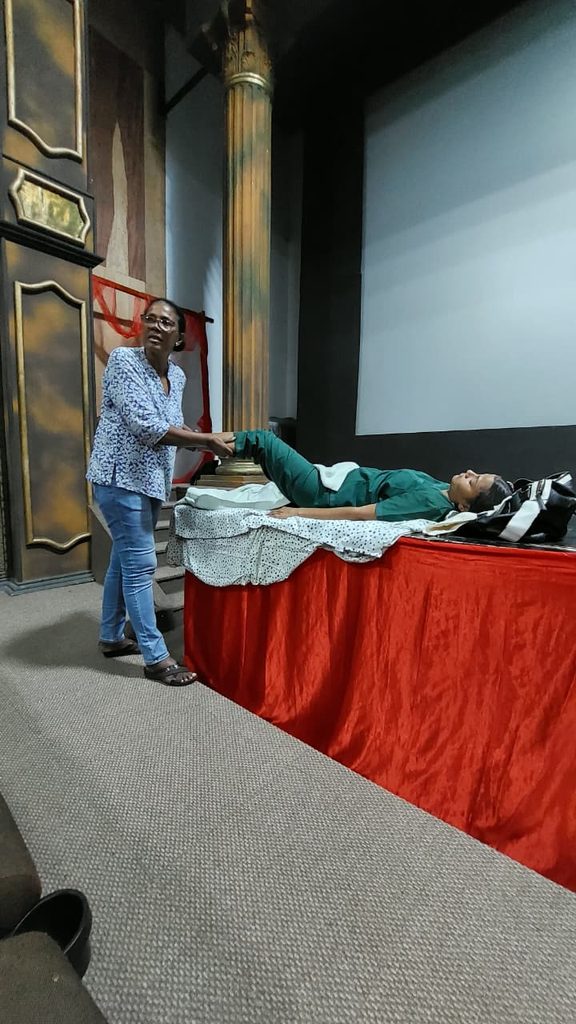
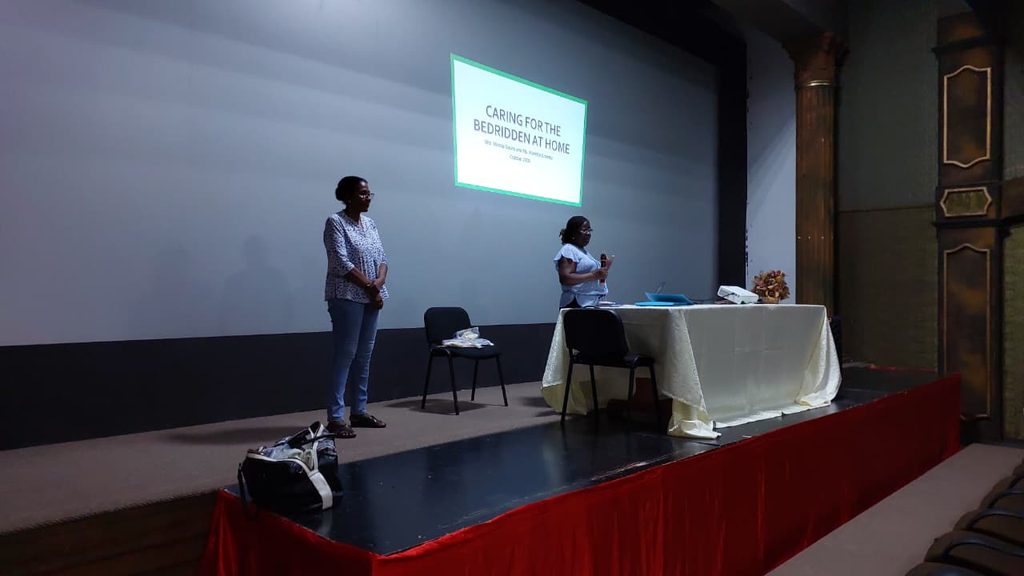
SHCA extended its educational outreach to the inner islands on 15 October 2026, hosting an intensive training on Managing Bedridden Patients at Home. The session took place at the Pension Fund Building in Grand-Anse, Praslin and was facilitated by two experienced nurses, Mrs. Monette Ernesta and Mrs. Mirena Souris.
This targeted workshop focused on the complex physical and emotional demands of long-term immobile patient care. In a significant effort to bridge community care with clinical standards, Nurse Assistants joined local caregivers for the training. The mixed participation allowed both groups to gain hands-on practical knowledge and master fundamental techniques—such as safe patient positioning, mobility assistance, and pressure ulcer prevention. These skills will directly support and enhance their daily care routines across both home and hospital settings.
Through these continuous professional development programs, the SHCA remains committed to elevating the standard of home care healthcare provision, hoping to foster a more resilient, skilled, and compassionate home care work force.
SHCA again thanks the Ministry of Health, Mrs. Souris and Mrs. Ernesta for their support in the training delivery and encourages all care givers to participate in future training workshops.
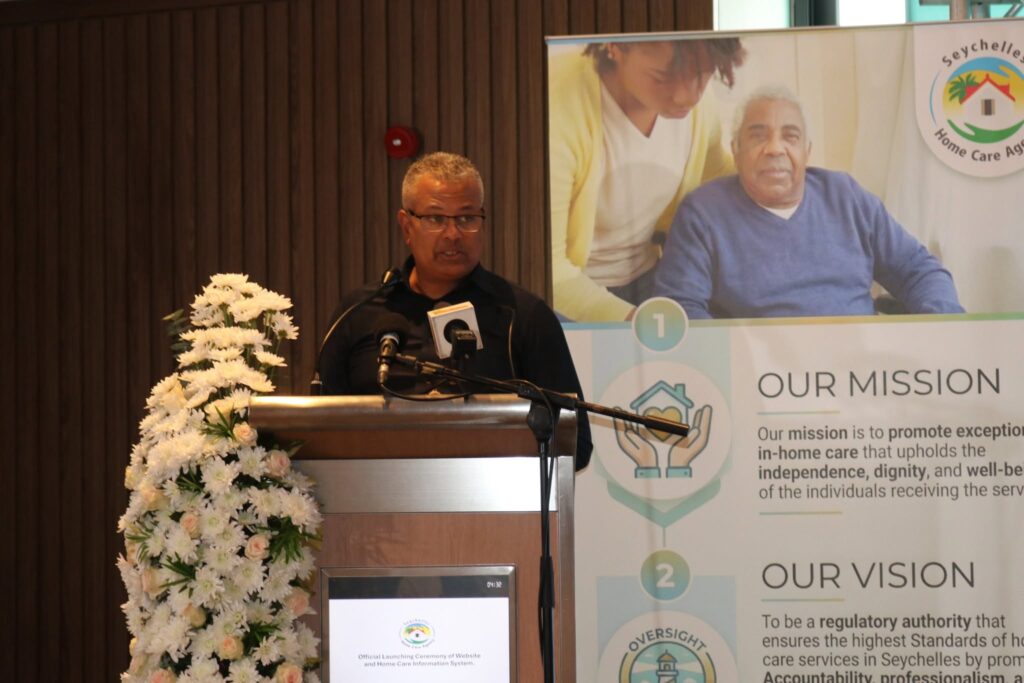
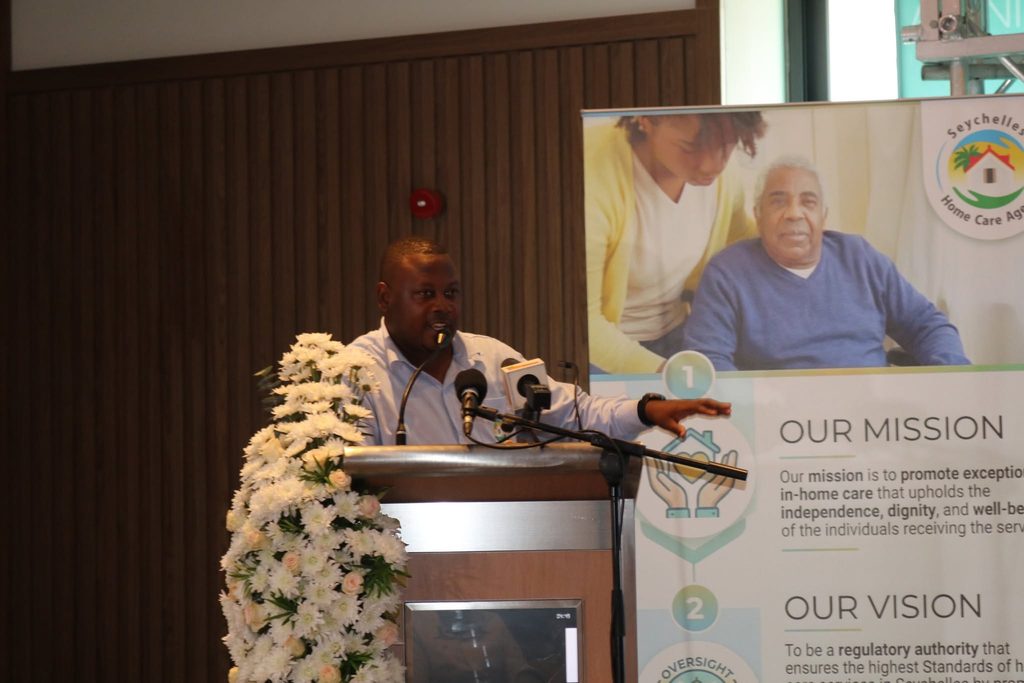
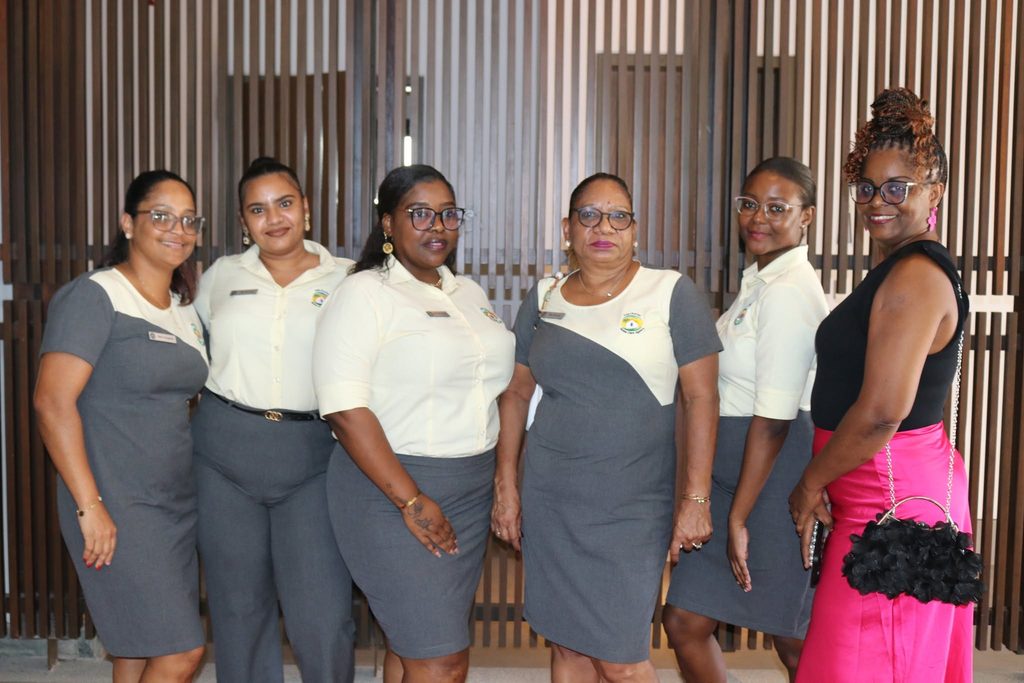
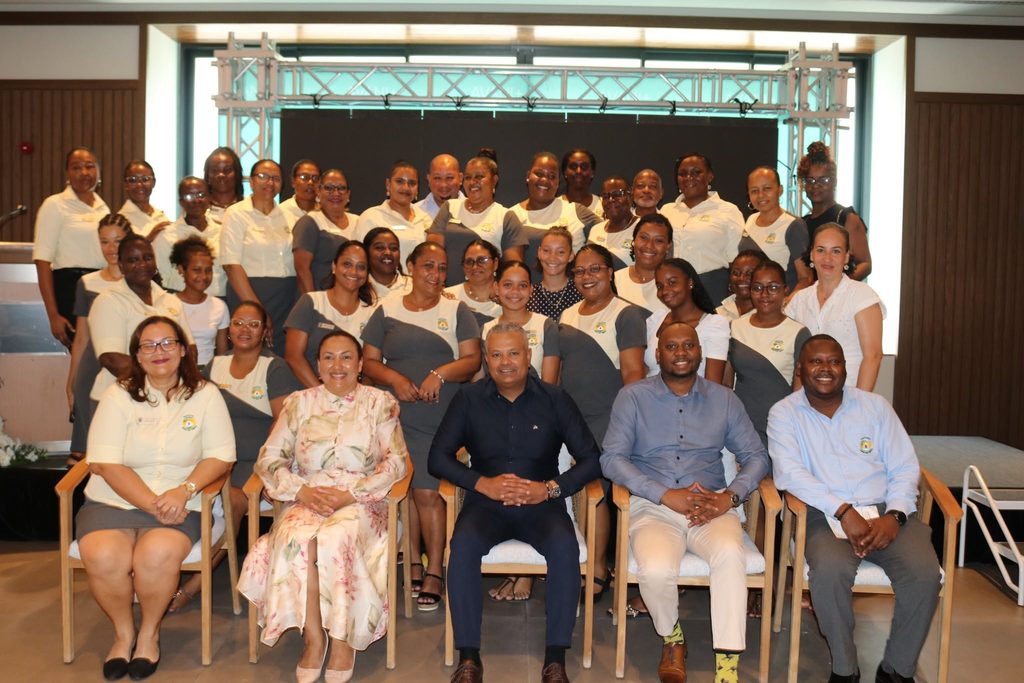
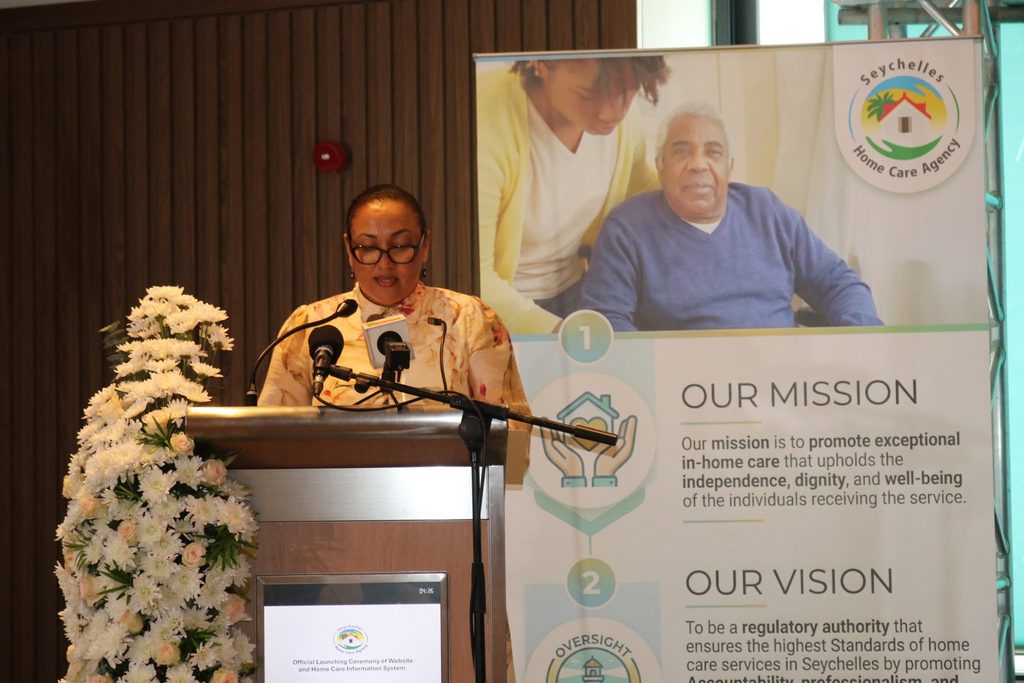
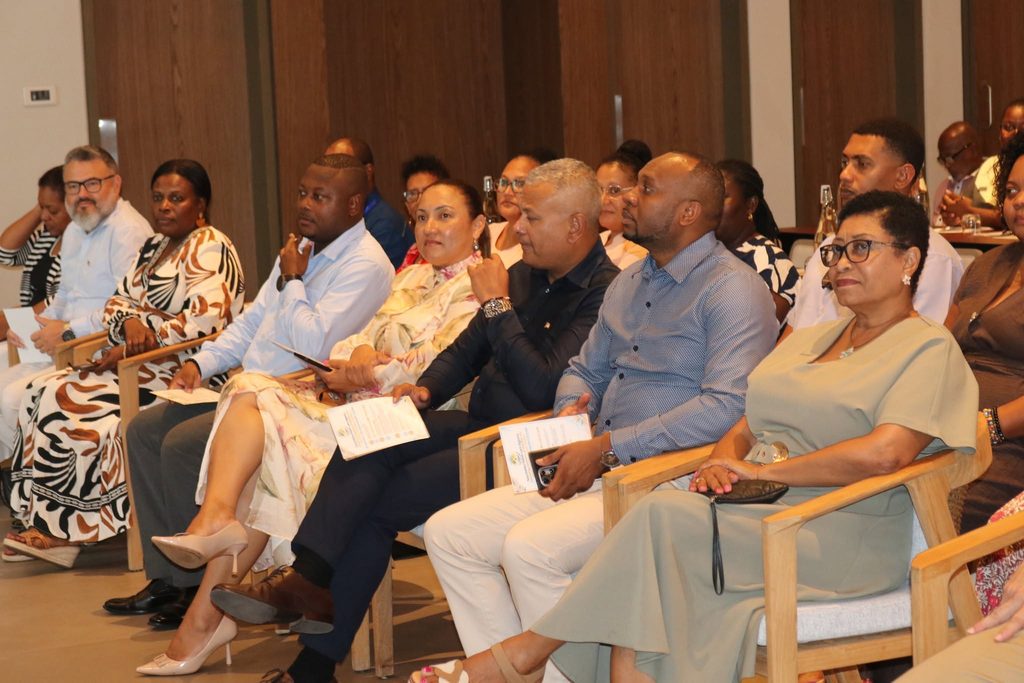
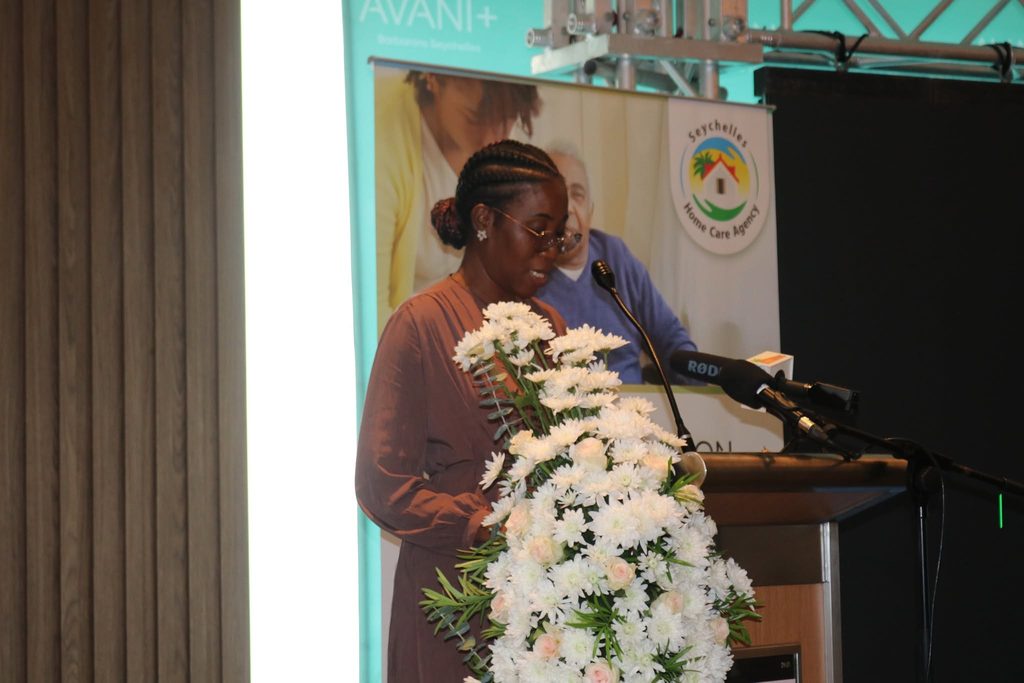
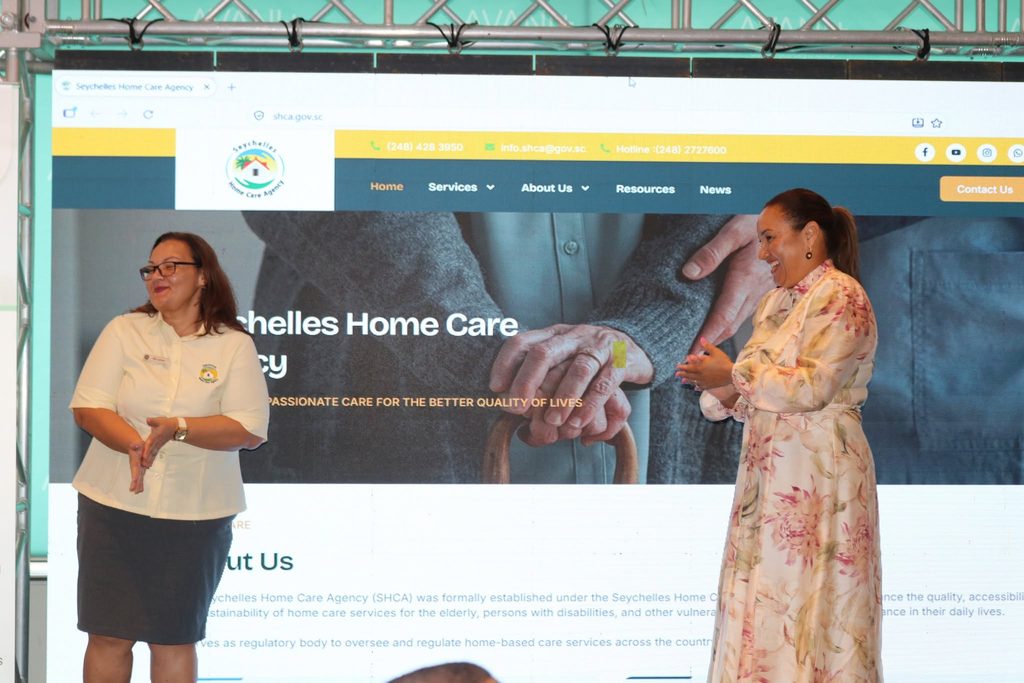
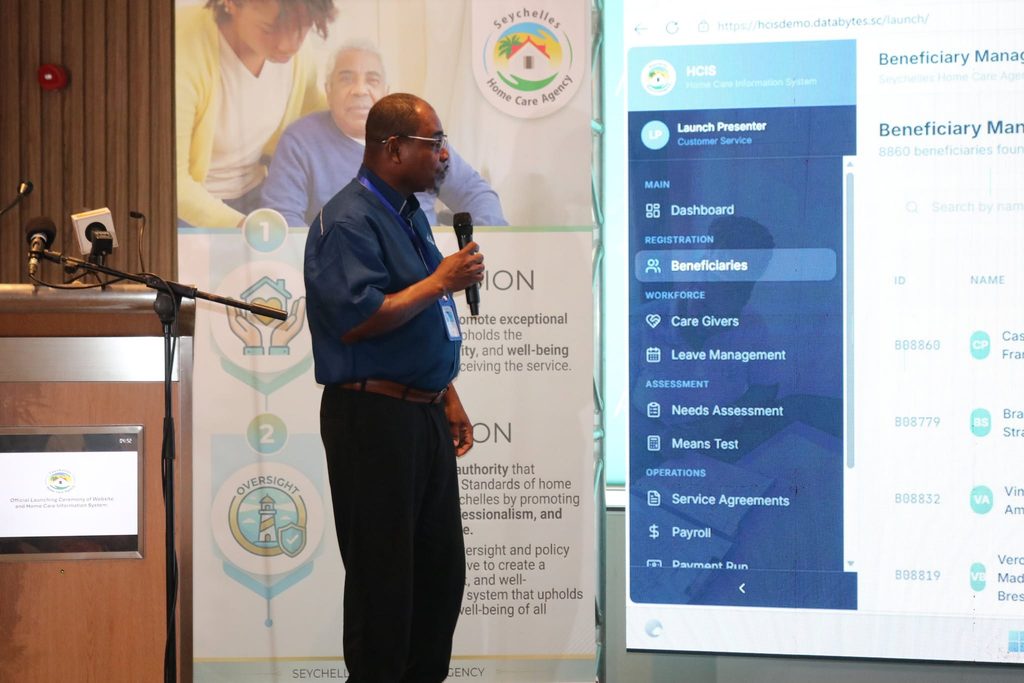
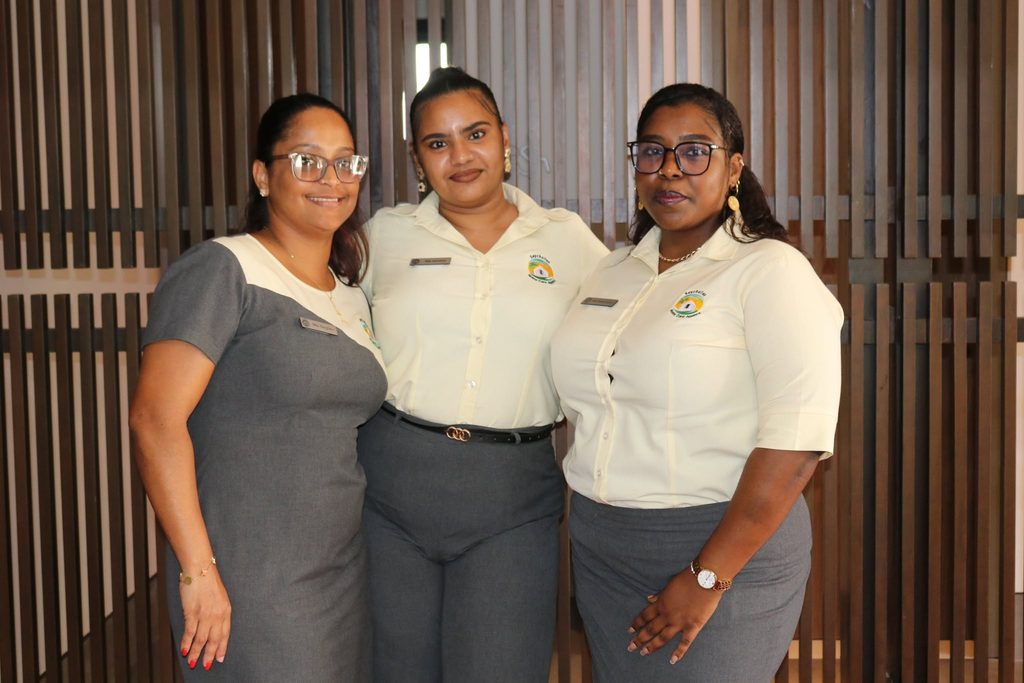
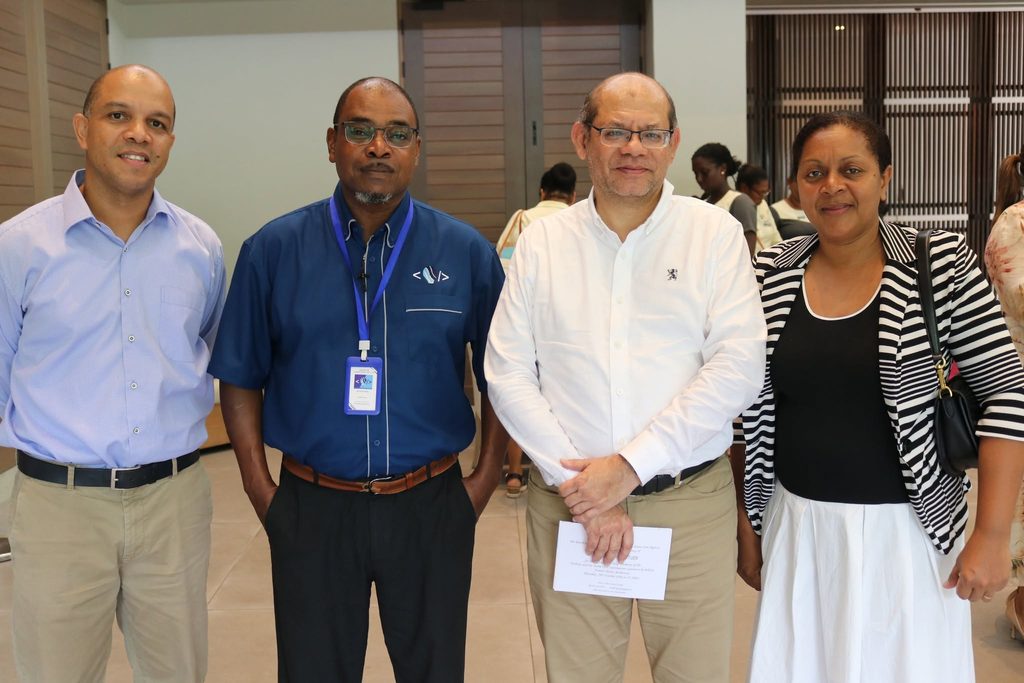
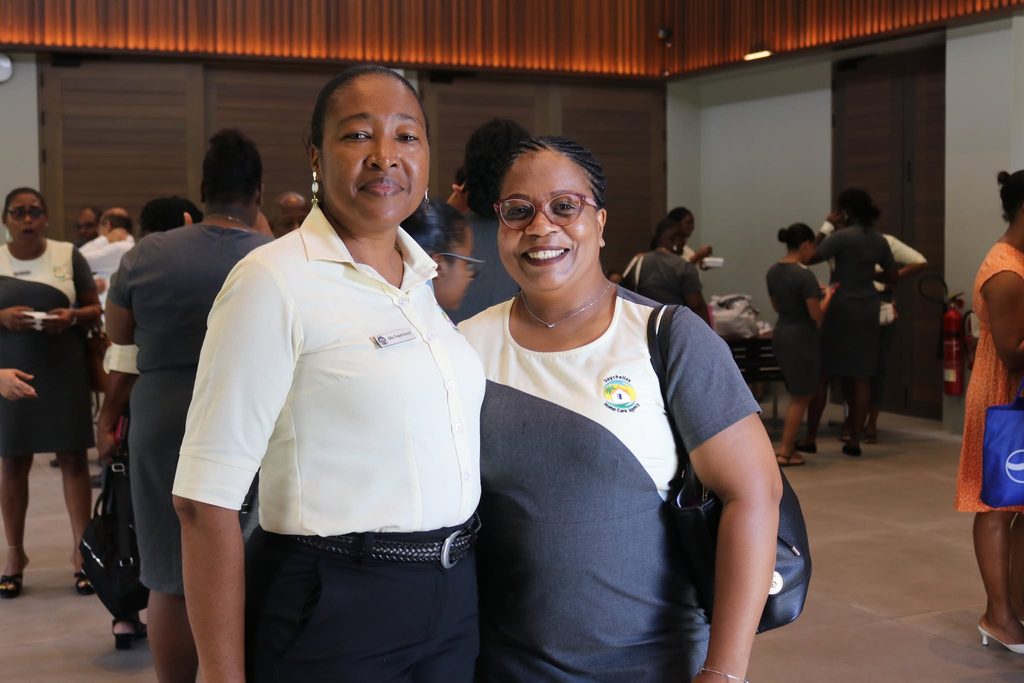
The Seychelles Home Care Agency (SHCA) has taken another important step towards modernising home care services with the launch of its newly developed Home Care Information System and revamped official website, during an event held at Avani+ Barbarons Hotel on Thursday, 29 October 2026.
 Visit the website now: www.shca.gov.sc
The new website serves as a central platform for the public to access information on home care services, learn about the Agency’s work, and engage with SHCA through feedback, complaints, suggestions and enquiries.
The launch was graced by Vice-President Sebastien Pillay, who oversees the portfolios of Information Communication Technology, Digital Transformation and Information. In his remarks, he commended SHCA for taking the initiative to embrace digital transformation in line with the Government’s agenda to improve public service delivery.
He highlighted that the new digital system will strengthen control, facilitate faster procedures, and support fair, objective and equitable verification of information and assessment of applications. He reaffirmed the Government’s commitment to promoting transparency, good governance and higher standards of service across public entities.
Coinciding with the International Day of Care and Support, the Vice-President also paid tribute to caregivers who provide daily assistance to older persons and persons with disabilities.
On behalf of President Dr Patrick Herminie and the Government, he expressed sincere appreciation for their dedication, describing their work as a noble service that provides not only practical support but also comfort, dignity and companionship to those who need it most.
He further reassured caregivers of the Government’s commitment to improving home care services and supporting the modernisation and professionalisation of the sector. He encouraged caregivers to seize training opportunities to strengthen their knowledge and skills as the Agency advances its professionalisation plans.
Minister Pamela Charlette, whose Ministry oversees SHCA, highlighted that 2026 has been a year of transformation, marked by greater coordination and collaboration among government entities to ensure that services reach the most vulnerable in a fairer and more effective manner.
She noted that the revamped website provides an additional channel for SHCA to communicate with the community, share information about its services, and receive public feedback, complaints and suggestions.
The launch marks another step towards a more accessible, transparent and efficient home care system, placing information and services within easier reach of the people who need them.
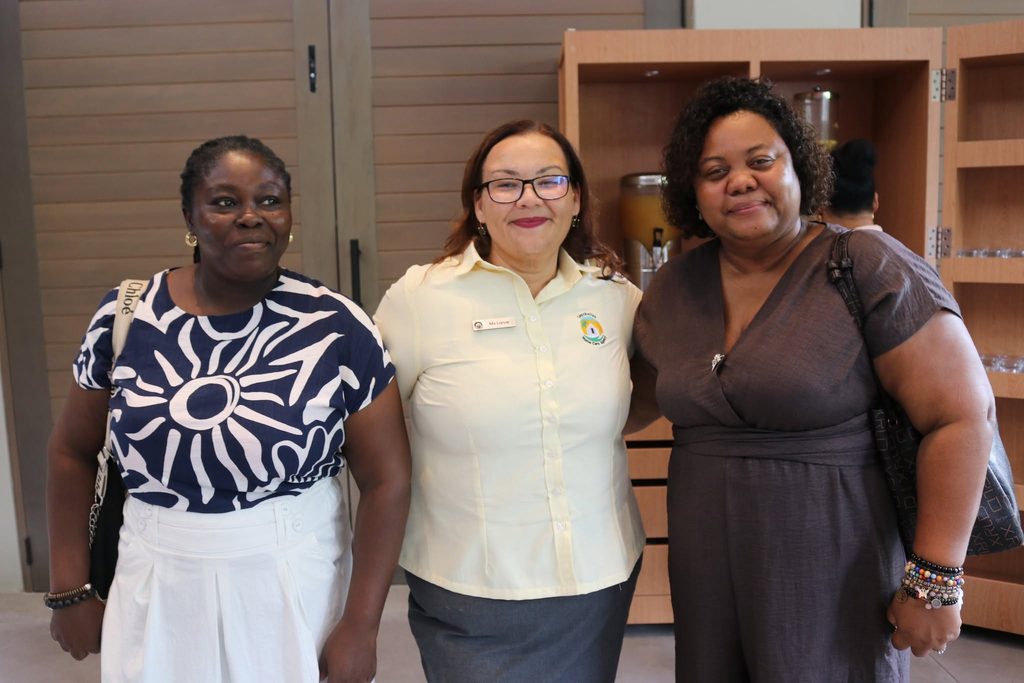
The event also provided an opportunity for guests, partners and stakeholders to network and exchange views during a networking session following the launch.
Visit www.shca.gov.sc today and explore the new platform!
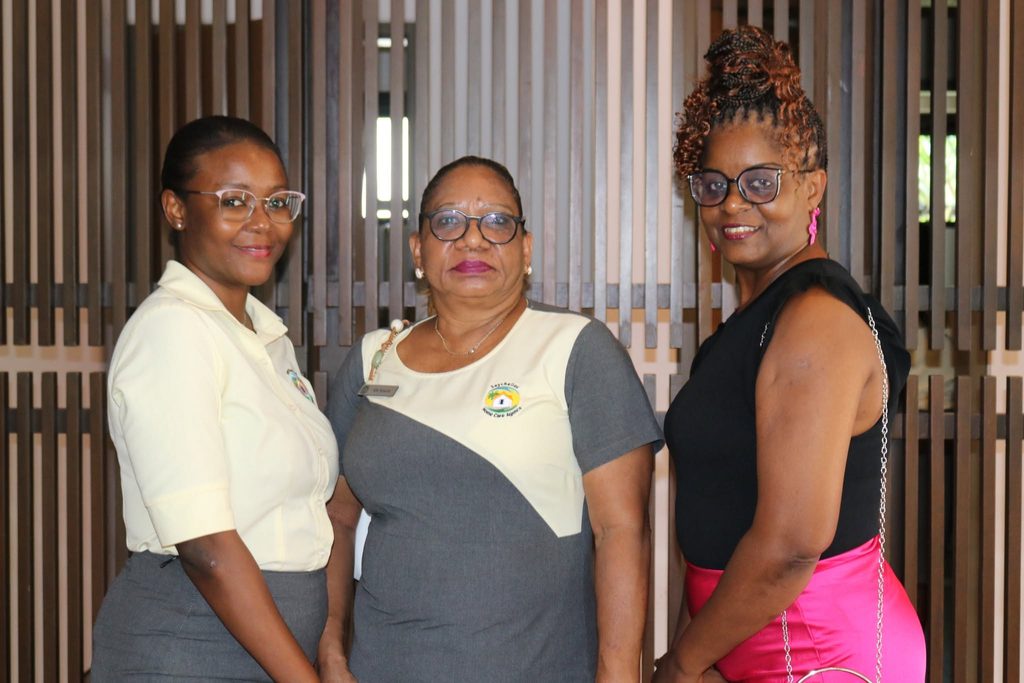
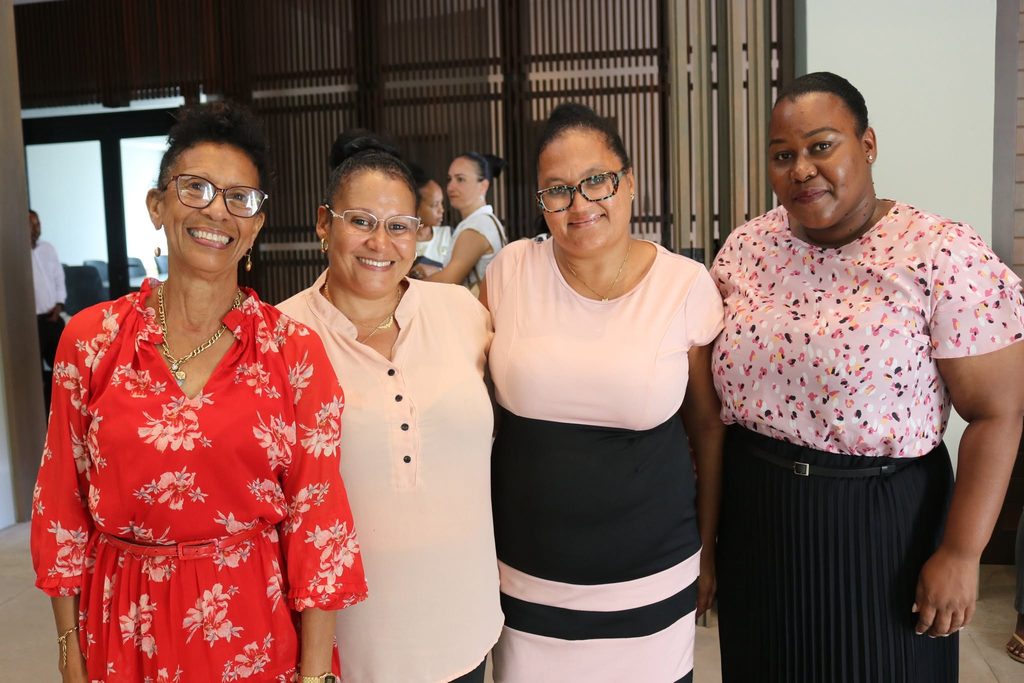
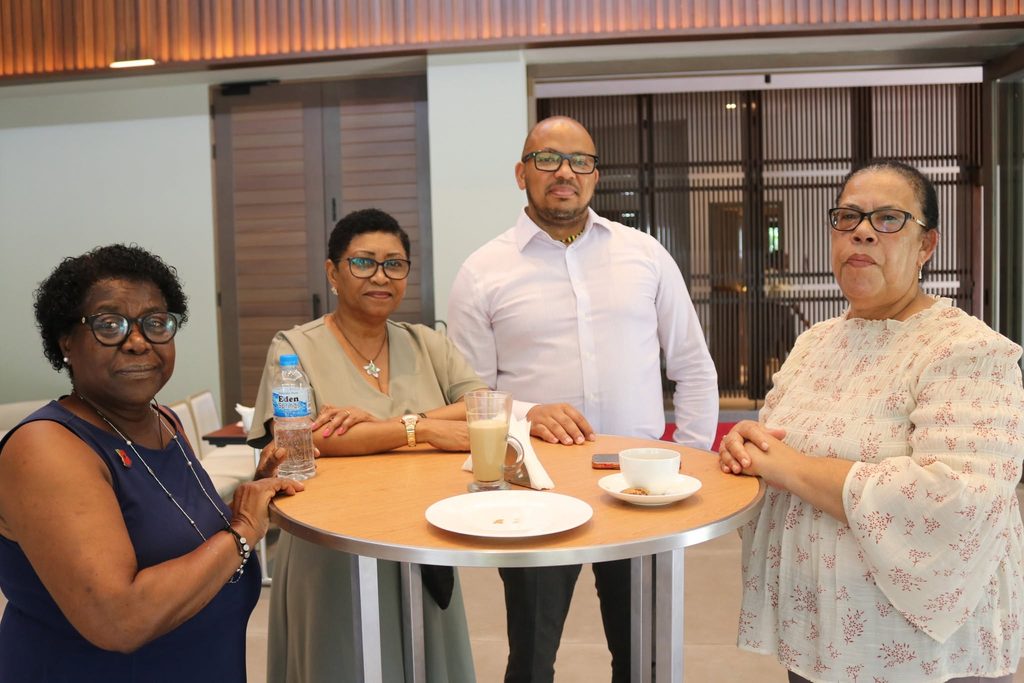
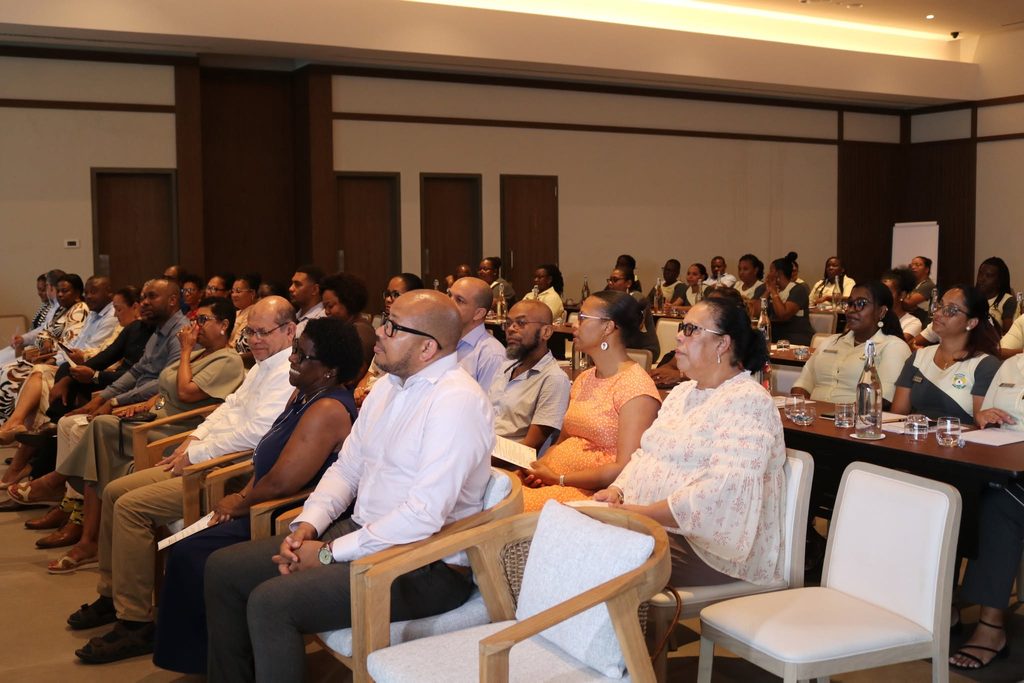
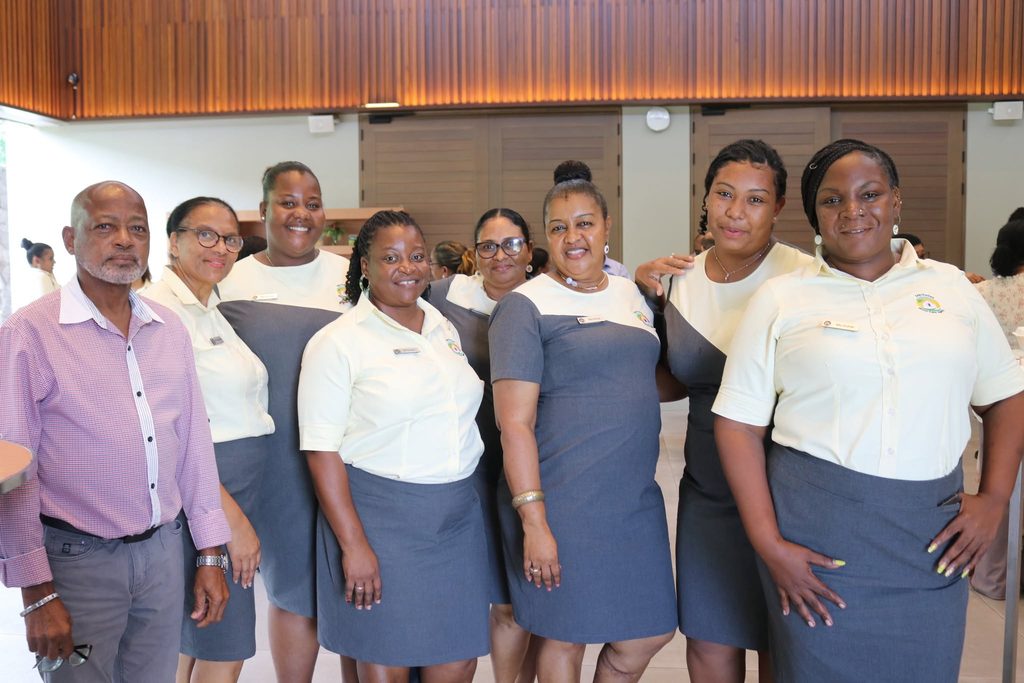
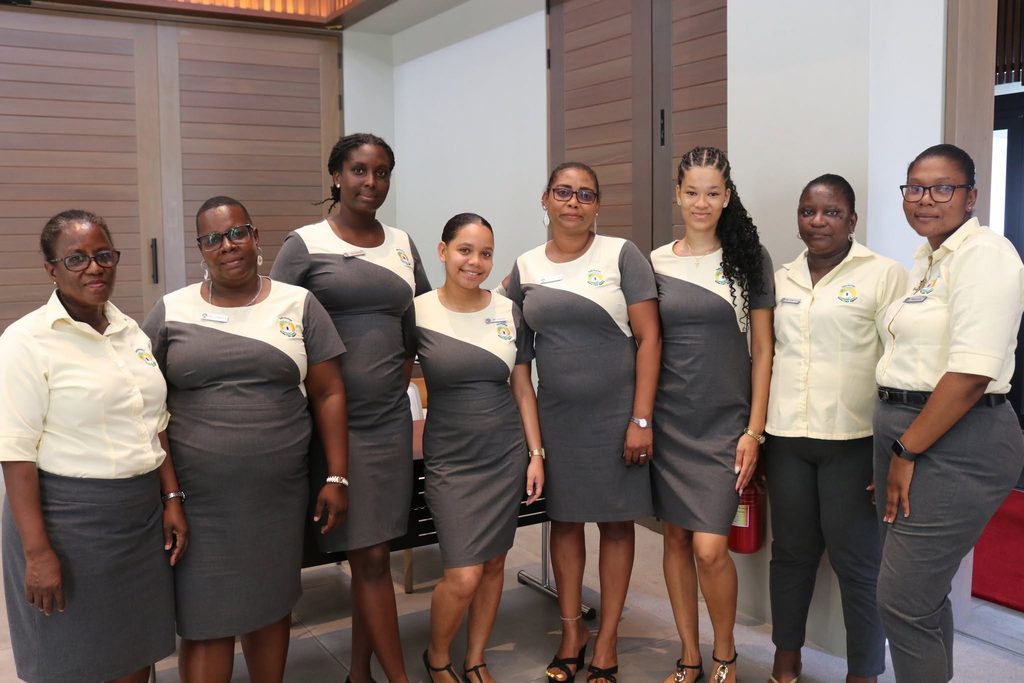
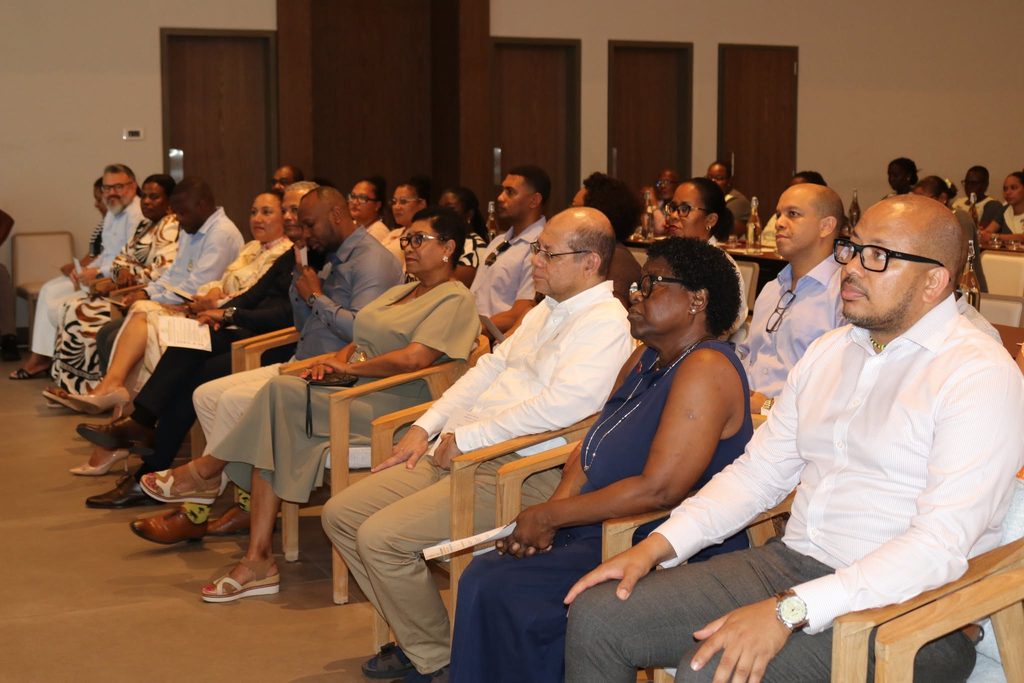
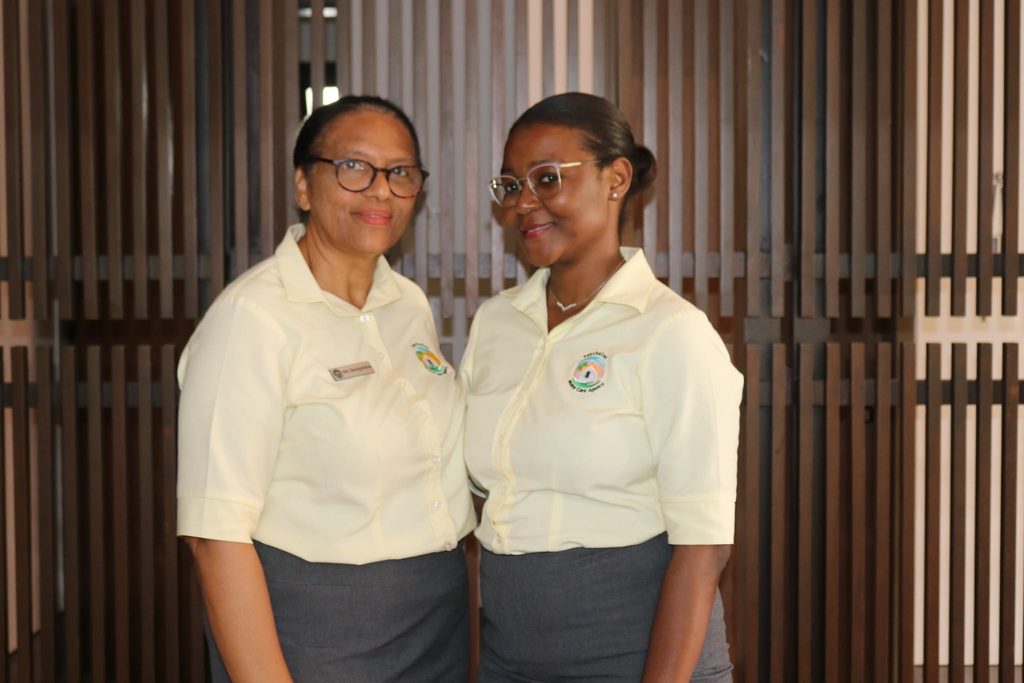
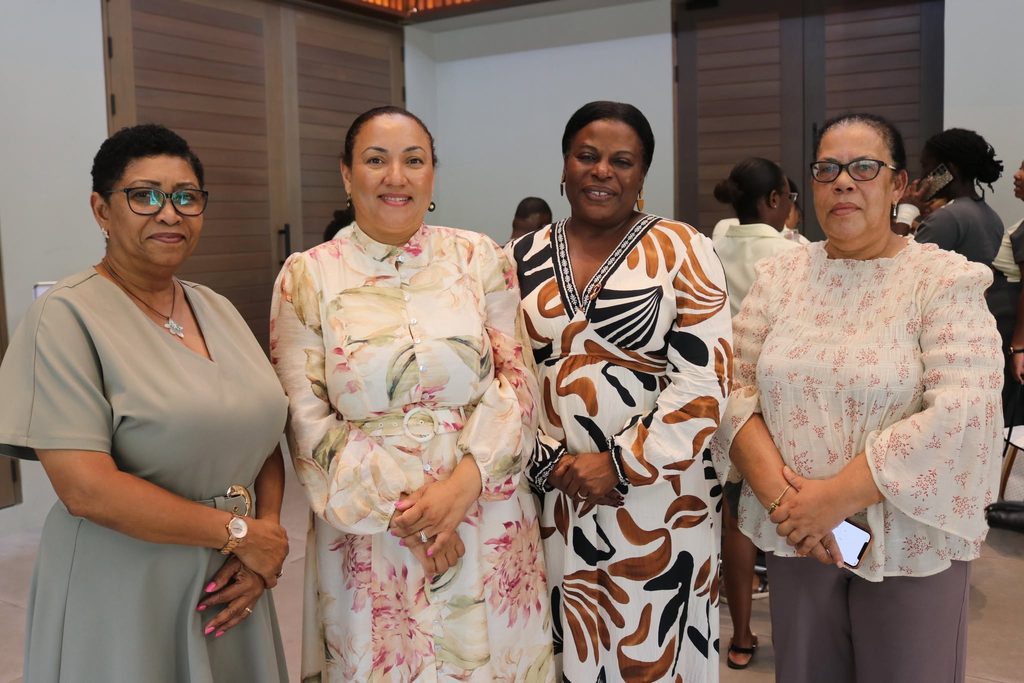
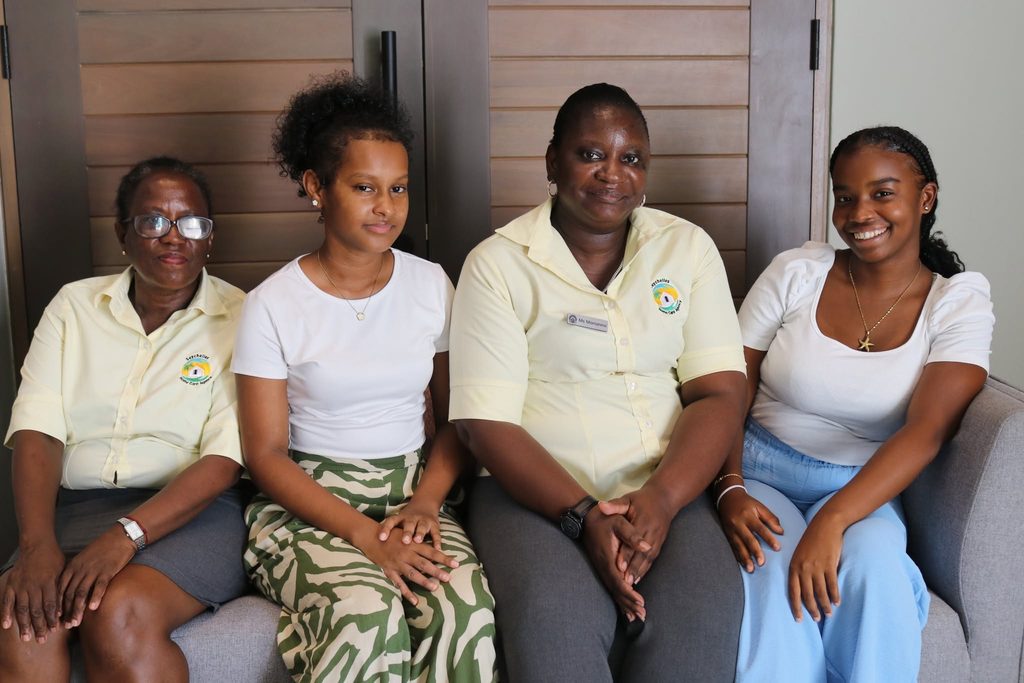
Source: Ministry Of Social Affairs, Family & Equality.
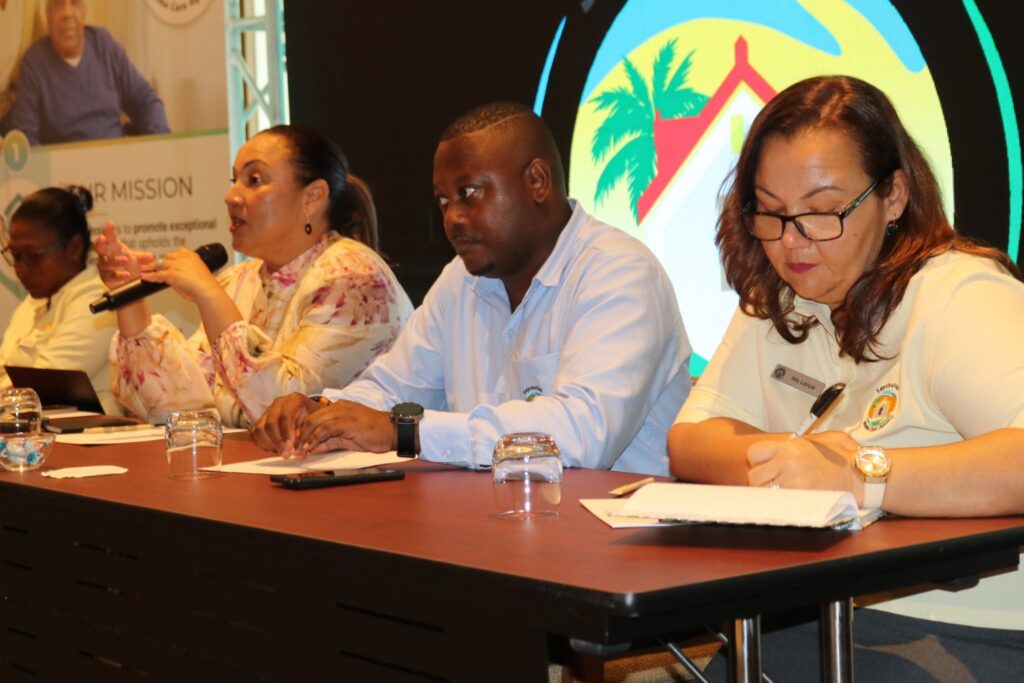
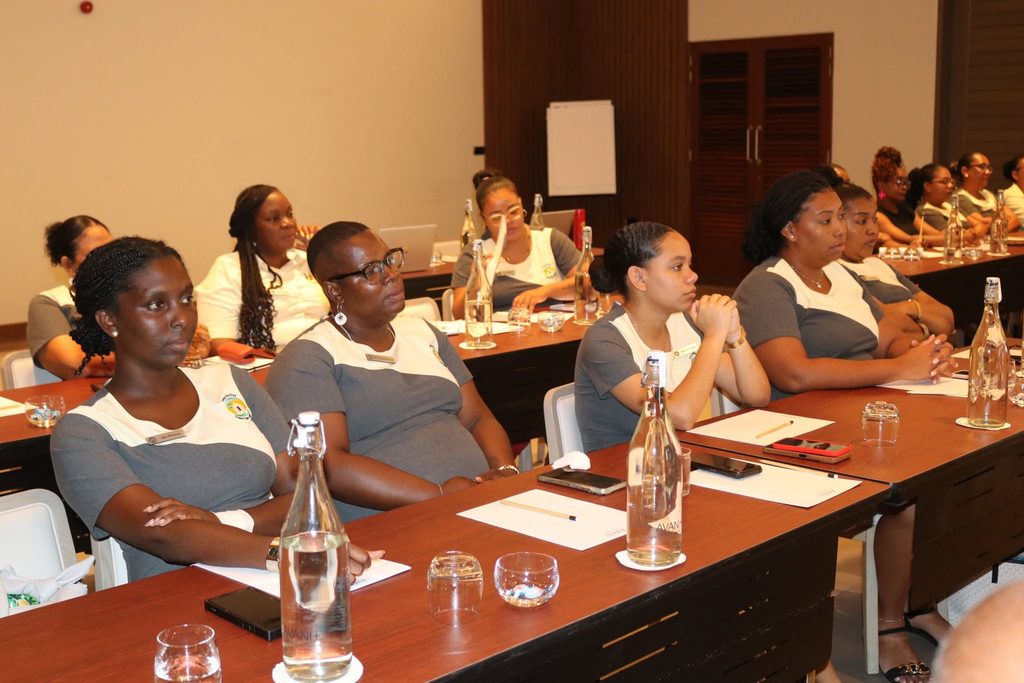
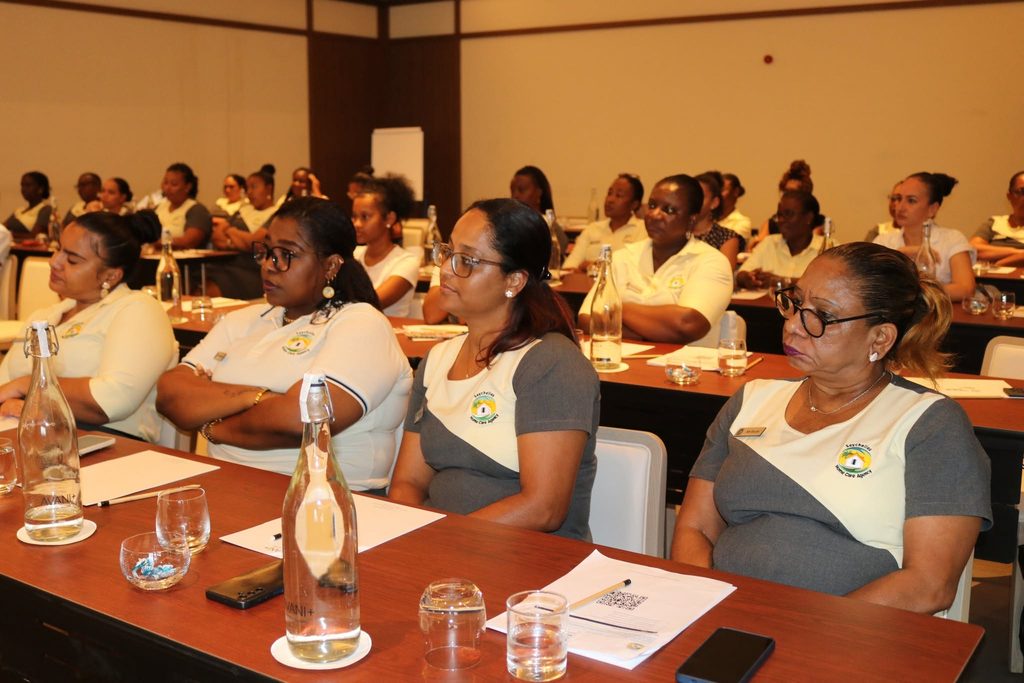
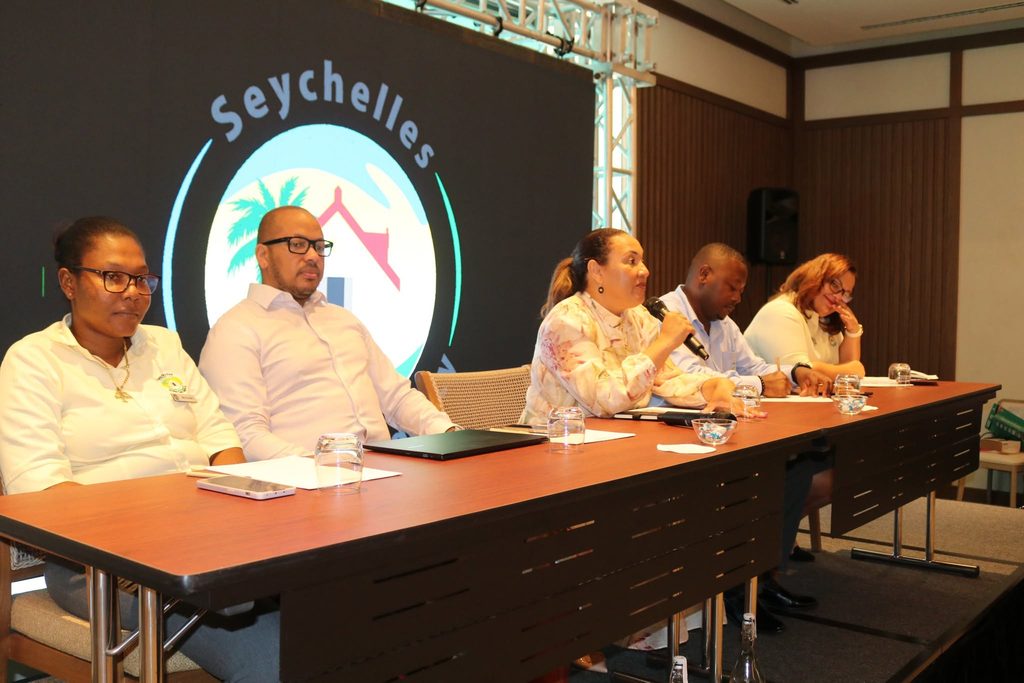
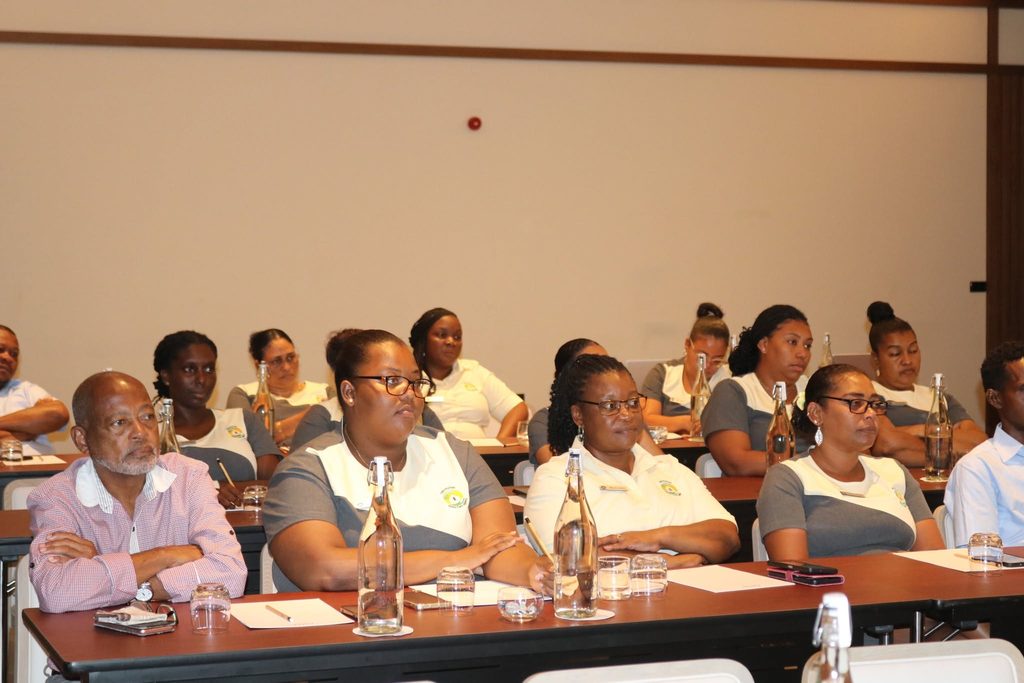
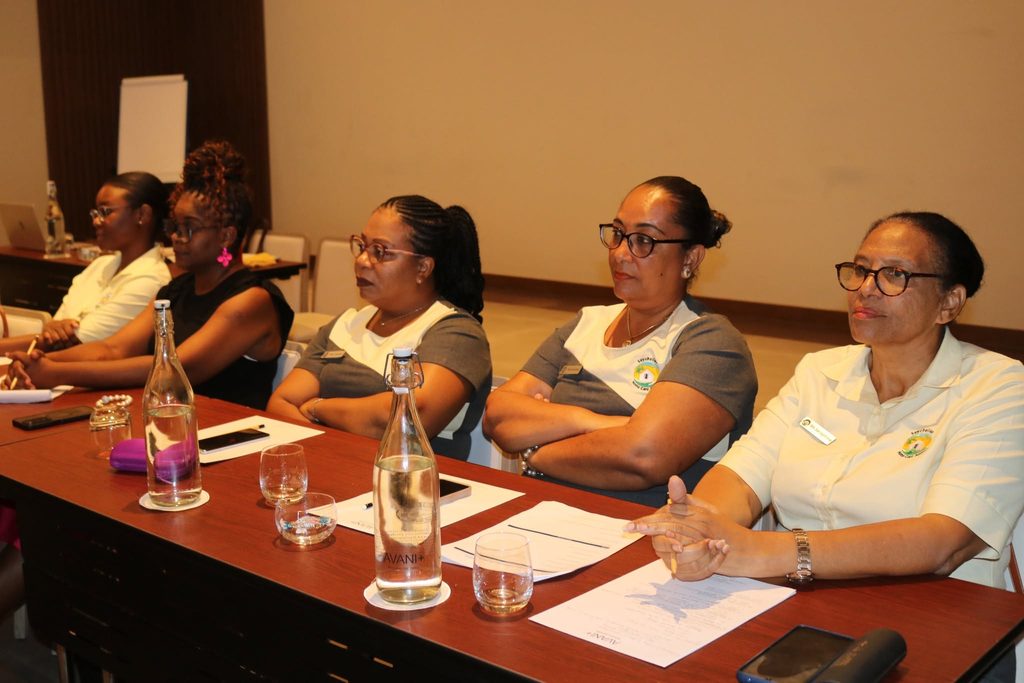
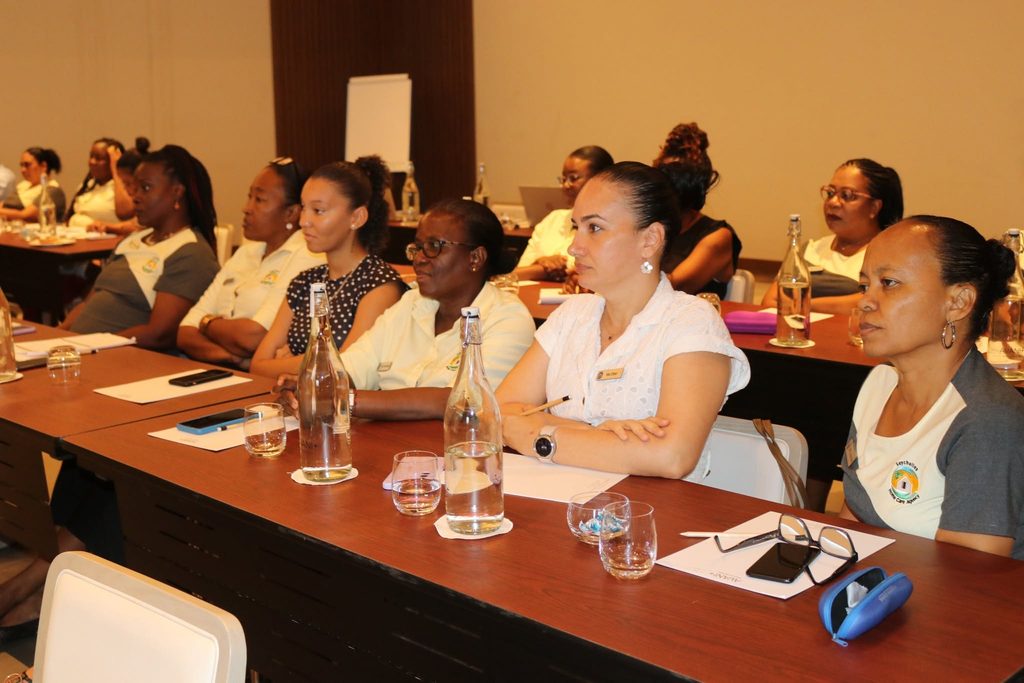
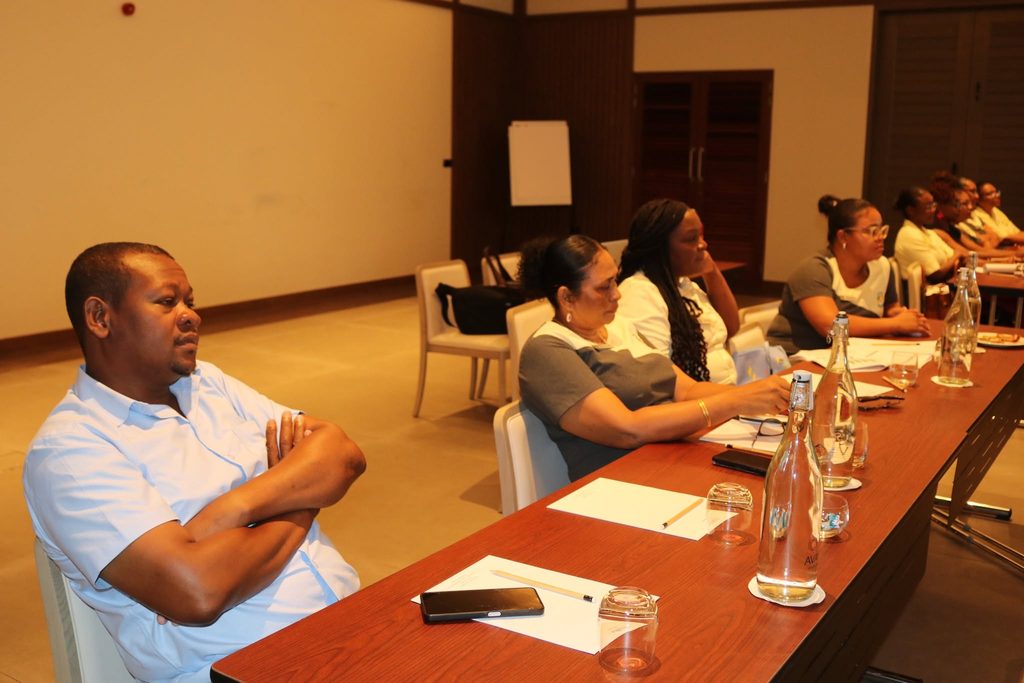
Earlier today, Minister Pamela Charlette held her quarterly staff meeting with the Seychelles Home Care Agency (SHCA), coinciding with the observance of the International Day of Care and Support.
The meeting brought together approximately 40 staff members under the leadership of CEO Davis Mathiot, providing an important platform for management to share updates on progress made, address staff grievances, discuss the way forward, and engage in an open plenary session with employees.
The panel comprised Minister Pamela Charlette, Special Adviser Dr. Royston Meriton, SHCA CEO Davis Mathiot, and Senior Human Resources and Business Management Officer Ms. Laura Dodin.
These quarterly engagements provide an opportunity to strengthen communication between management and staff, address workplace concerns, and collectively reflect on ways to improve the delivery of home care services.
On this International Day of Care and Support, the meeting also served as a timely reminder of the vital role care workers play in supporting individuals, families, and communities across Seychelles. Their dedication and contribution remain essential to ensuring dignity, well-being, and quality care for those who need it most.
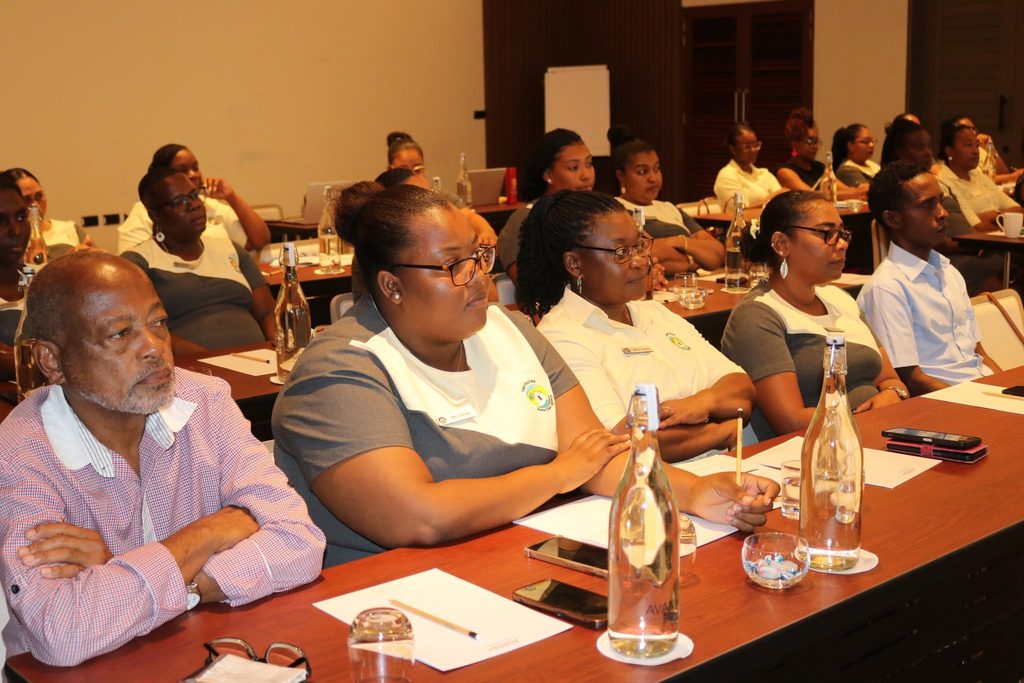
Source: Ministry Of Social Affairs, Family & Equality.
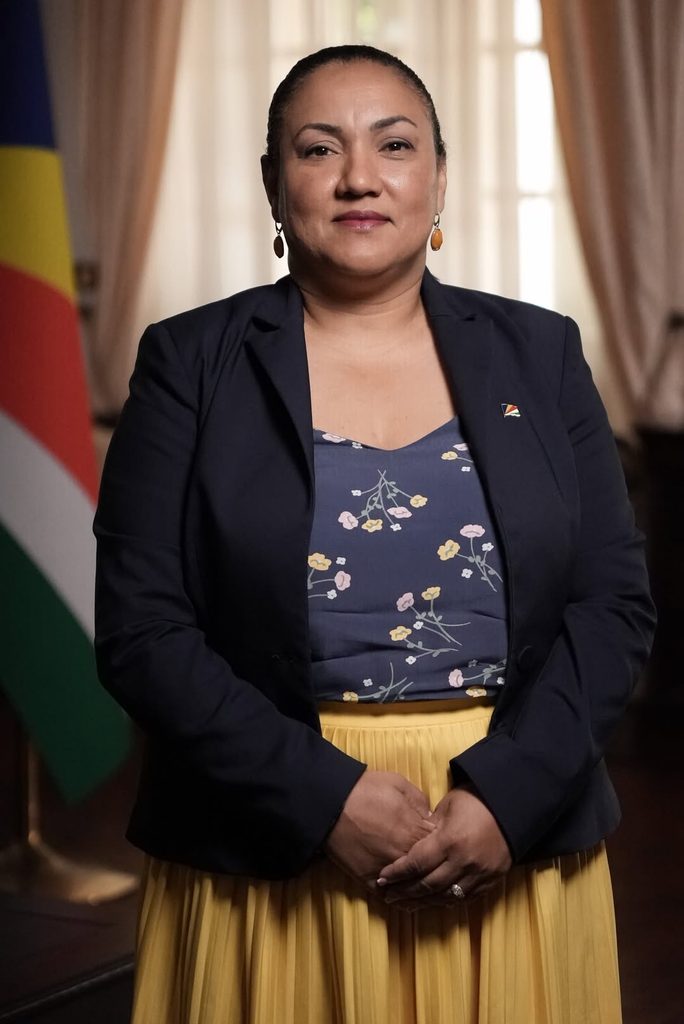
On behalf of the Ministry of Social Affairs, Family and Equality, allow me to express our gratitude to all Caregivers and support workers on the occasion of the International Day of Care and Support. We come together to celebrate the invaluable contribution of carergivers and support workers who dedicate their lives to improving the well-being, dignity, and quality of life of others.
This year’s theme, “Building Sustainable Care and Support Systems Through Decent Work,” reminds us that caring for people is not simply a service; it is an essential pillar of our society, our communities, and our shared humanity. It calls upon us to recognise that sustainable care begins with valuing the people who provide it.
Every day, care and support workers demonstrate compassion, patience, resilience, and commitment. They stand beside the elderly, and those considered as most vulnerable, including those living with some sort of impairment, and provide comfort and reassurance to those who need help. Their work often takes place behind the scenes, yet its impact is felt in countless lives and families.
However, compassion alone should not be the foundation of our care systems. Those who care for others deserve to be cared for themselves. Not only they deserve decent working conditions, fair remuneration, job security, equal opportunities, they deserve access to training that will equip them and guarantees social protection, and a safe and respectful working environment.
Building sustainable care and support systems requires us to move beyond appreciation and translate our words into meaningful action. It requires governments, Non-Government Organisations, communities, and families to work together to strengthen care services, invest in the care workforce, and ensure that every caregiver is treated with dignity, fairness, and respect.
The theme also calls for decent work which is not a privilege. It is a fundamental element of a just and inclusive society. When caregivers are empowered, supported, and valued, they can provide better and quality care. When caregivers have secure employment, appropriate resources, and opportunities for professional development, our care systems become stronger, more resilient, and more sustainable.
Let this occasion be a renewed call for action to recognise care work as essential work, promote gender equality, address inequalities within the care sector, and create opportunities for young people to pursue meaningful careers in care and support services.
Above all, let us remember that investing in caregivers is an investment in humanity. A society that values its caregivers is a society that values every human life.
To all carers and support workers, we express our deepest gratitude. Your dedication makes a difference, your compassion inspires hope, and your work strengthens the very fabric of our communities. You are not merely supporting lives; you are helping to build a future in which everyone has the opportunity to live with dignity and respect.
As we commemorate this important day, let us join hands to build a future where care is accessible, care workers are protected, decent work is guaranteed, and no one who dedicates their life to caring for others is left behind.
Source: Ministry Of Social Affairs, Family & Equality.
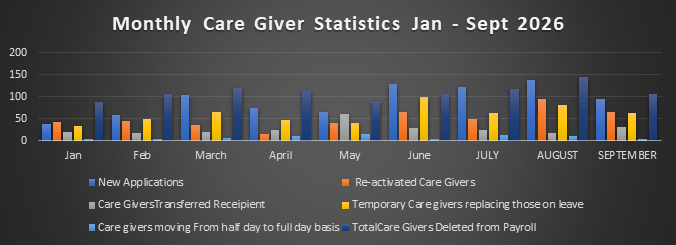
An analysis of caregiver registration and payroll data from January to September 2026 reveals a highly active workforce of care givers, the second quarter of the year marked by surging increase of care givers registered and quite a volume of deleted care givers from the SHCA payroll. While reasons for such are open to interpretation, the data highlights distinct operational cycles, showing that as demand scales up during mid year, system-wide adjustments in registrations quickly follow.
New applications peaked dramatically in August, hitting a yearly high of approximately 144 applications. Intake remained exceptionally robust across the second quarter of the year, June recording 128 applications and September sustaining momentum at 105 applications. In contrast, the year started at a much slower pace in January with only 38 new applications.
As permanent care givers took time off during the second quarter of this year, the registry relied heavily on replacement care givers to prevent service gaps. The demand for temporary caregivers replacing those on leave skyrocketed in June, reaching a peak of 100 temporary registrations. This temporary coverage remained heavily active through July (62), August (81), and September (63), proving that short-term placements are vital to meet demands.
The volume of caregivers deleted from the payroll remained high and volatile, peaking sharply in March (103 deletions) and July (117 deletions). These massive waves of departures closely parallel the peak hiring months.
Internal Movements and Hours Remain Steady
• Recipient Transfers: The number of caregivers transferring to a different recipient peaked in May at 61 transfers. For the remaining eight months, this metric stayed low and stable, generally hovering between 15 and 30 cases monthly.
• Shift to Full-Time: Caregivers moving from a half-day to a full-day basis barely fluctuated, consistently representing the lowest metric on the chart. It reached its small peak in May at just 16 caregivers, remaining under 12 cases for every other month of the period.